
Introduction to Rosemary Sea Salt Bread
Homemade bread, especially rosemary sea salt bread, can be a genuine game-changer for young professionals navigating the chaotic whirl of daily life. In an era when takeout and pre-packaged meals often dominate our schedules, making your own bread offers a fulfilling and rewarding alternative. Picture this: after a long day at work, you step into your kitchen and, within a few hours, are graced with the aroma of freshly baked bread wafting through your home. Not only is the process therapeutic, but the resulting loaf is a true labor of love.
Crafting your own bread also allows for customization. Whether you're looking to control your ingredients for dietary reasons or simply want to experiment with flavors, the opportunities are endless. Plus, nothing quite compares to the moment you slice into a warm, crusty loaf, revealing its fluffy interior and aromatic rosemary. It's an impressive centerpiece for gatherings, sparking conversation and leaving your guests eager for more.
If you're ready to turn your kitchen into a bakery, jump into this delightful recipe that promises to infuse your life—and your meals—with a touch of homemade goodness. For a deeper dive into baking techniques, check out resources from King Arthur Baking for tips on mastering bread.
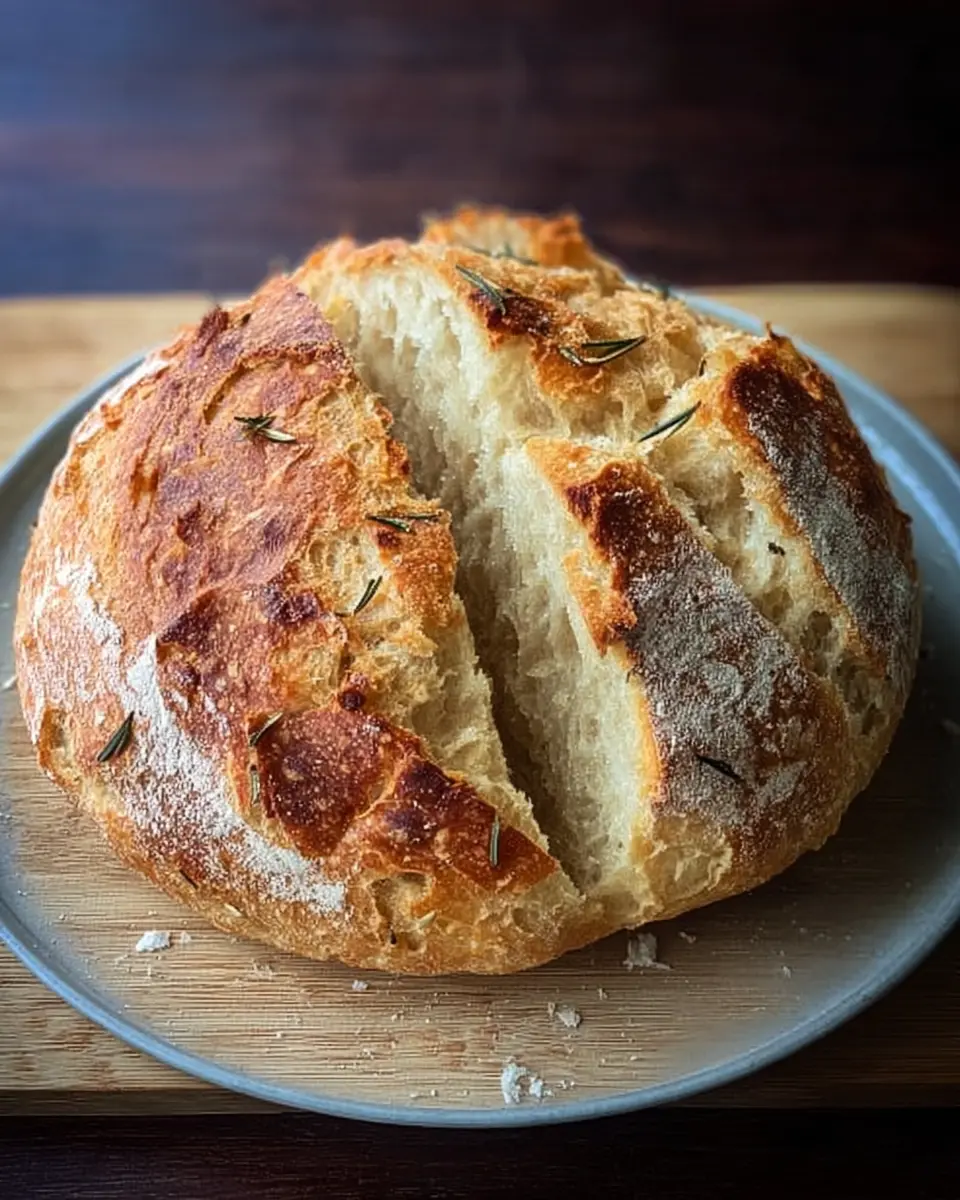
Ingredients for Rosemary Sea Salt Bread
Essential ingredients for a perfect loaf
Creating a delicious rosemary sea salt bread starts with the right ingredients. Whether you’re hosting a cozy dinner or simply treating yourself, each element plays a crucial role in crafting that perfect loaf.
- 3 cups of all-purpose flour: This is the foundation of your bread, giving it that delightful texture.
- 2 teaspoons of salt: Not just for flavor; it also strengthens the dough.
- ½ teaspoon of active dry yeast: Your key to leavening and achieving a light, airy bread.
- 2-3 tablespoons of fresh, chopped rosemary: Adds a fragrant twist that elevates your bread from ordinary to extraordinary.
- 1 ½ cups of warm water: Activates the yeast and creates the right dough consistency.
- Sea salt for topping: A sprinkle on top helps accentuate the flavors and provides a lovely crunch.
And don’t forget your trusty cast-iron Dutch oven! If you’re looking to invest, check out this one that works wonders for baking. For proofing, a simple mixing bowl covered with a damp kitchen towel will do the trick too. Ready to get baking? Let’s make some magic with these ingredients!
Preparing Rosemary Sea Salt Bread
Baking a loaf of rosemary sea salt bread is not just about following a recipe; it’s about creating something extraordinary. So roll up your sleeves, and let’s dive into the delightful process of bringing this beautiful bread to life!
Gather Your Kitchen Essentials
Before we start, it's best to gather all your kitchen essentials. You will need:
- A large mixing bowl
- A wooden spoon (or your hands, if you prefer!)
- A proofing bowl or a mixing bowl with a damp towel
- A cast-iron dutch oven (this makes all the difference for a crispy crust)
- A clean surface for kneading
- A knife for scoring the dough
Having everything at hand will make the process seamless, allowing you to enjoy each step without scrambling around your kitchen.
Mix the Dry Ingredients
In your mixing bowl, combine:
- 3 cups of all-purpose flour
- 2 teaspoons of salt
- ½ teaspoon of active dry yeast
- 2-3 tablespoons of fresh, chopped rosemary
Whisk these ingredients together until they're well combined. This simple act of mixing not only helps distribute the yeast but also activates those aromatic rosemary oils that will elevate your rosemary sea salt bread.
Incorporate the Wet Ingredients
Now, gradually add in 1 ½ cups of warm water. Using your wooden spoon, mix until the water is fully blended in. At this point, don’t shy away from using your hands to bring the dough together—you want a sticky yet coherent ball of dough.
Let the Dough Rise
After mixing, transfer your dough into the proofing bowl. Cover it with a damp linen or cloth and set it aside for 4-6 hours (or longer if you can wait!). This rise time is crucial; it allows the flavors to develop and gives your bread that lovely airy texture. If you’re interested in the science behind yeast and bread rising, you might find this article insightful.
Shape and Score the Dough
After the dough has risen beautifully, it’s showtime! Flour a clean surface and gently knead the dough into a ball, tucking the edges underneath. Let it rest for another 30 minutes before taking a sharp knife and scoring an “X” on the top. This not only looks stunning but also helps the bread expand while baking.
Bake the Bread to Perfection
Preheat your oven to 450°F. Now, place your dough into the heated dutch oven and cover it with the lid. Bake for about 30 minutes. After that, remove the lid and continue baking for an additional 10-15 minutes. Keep an eye on it; ideally, the loaf should be golden and flawless.
Once done, sprinkle some sea salt on top immediately for that gourmet touch. When it’s cool, slice and enjoy your homemade rosemary sea salt bread! Perfect alongside soup or served with olive oil for dipping—your family won't stop raving about it!
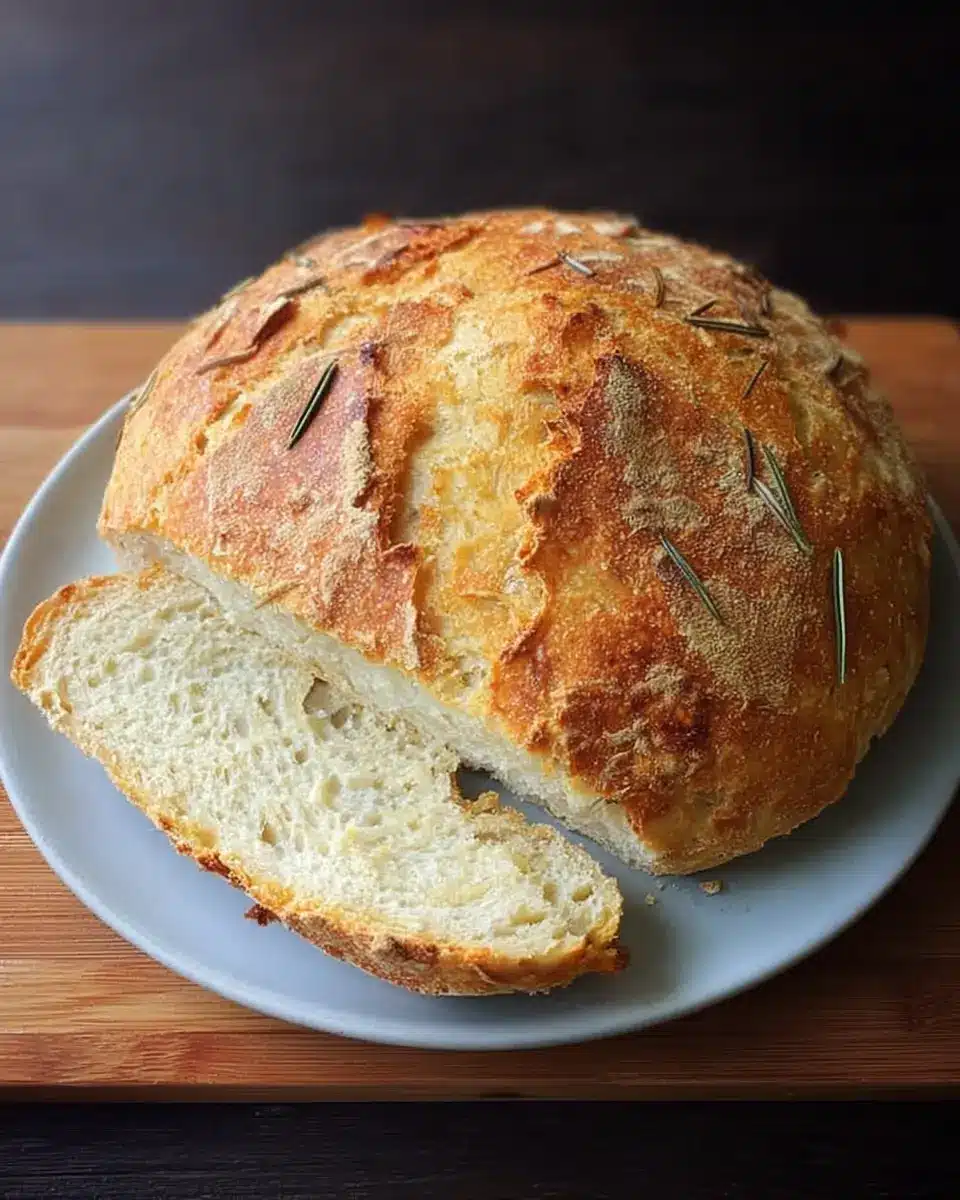
Variations on Rosemary Sea Salt Bread
Adding garlic for an aromatic twist
One simple way to elevate your rosemary sea salt bread is to add minced garlic. Stir in 2-3 cloves of garlic when mixing your dry ingredients, and watch the aroma fill your kitchen while baking. Garlic and rosemary create a classic flavor pairing that will make your loaf irresistible.
Experimenting with different herbs
Don’t stop at rosemary! Try incorporating a blend of herbs such as thyme, oregano, or even sage. Each herb brings its unique character, enhancing the bread while giving it a personalized touch. Use about 2 tablespoons of your chosen herbs for a delightful twist.
Incorporating cheese for flavor richness
For those cheese lovers out there, consider folding in some grated Parmesan or feta into your dough. The cheese not only adds a rich flavor but also contributes to a beautifully textured crust. A sprinkle of cheddar on top before baking can create that gooey, melted goodness that you'll crave for days.
These modifications allow you to be creative with your rosemary sea salt bread, catering to different tastes and occasions. Enjoy your culinary adventure!
Cooking Tips for Rosemary Sea Salt Bread
Oven Settings for Optimal Baking
For the best results with your rosemary sea salt bread, preheat your oven to a sizzling 450°F (230°C). This high temperature creates a crust that’s beautifully golden while keeping the inside tender. Place your cast-iron Dutch oven on the middle rack to ensure even heat distribution, which is key to achieving that bakery-style loaf at home.
Tips for Checking Doneness
To determine if your rosemary sea salt bread is perfectly baked, look for a deep golden-brown crust. If you're unsure, tap the bottom of the loaf; it should sound hollow. Another useful method is to use an instant-read thermometer—your bread should register around 200°F (93°C) when it's done. Remember, it's always better to check a little early to avoid overbaking!
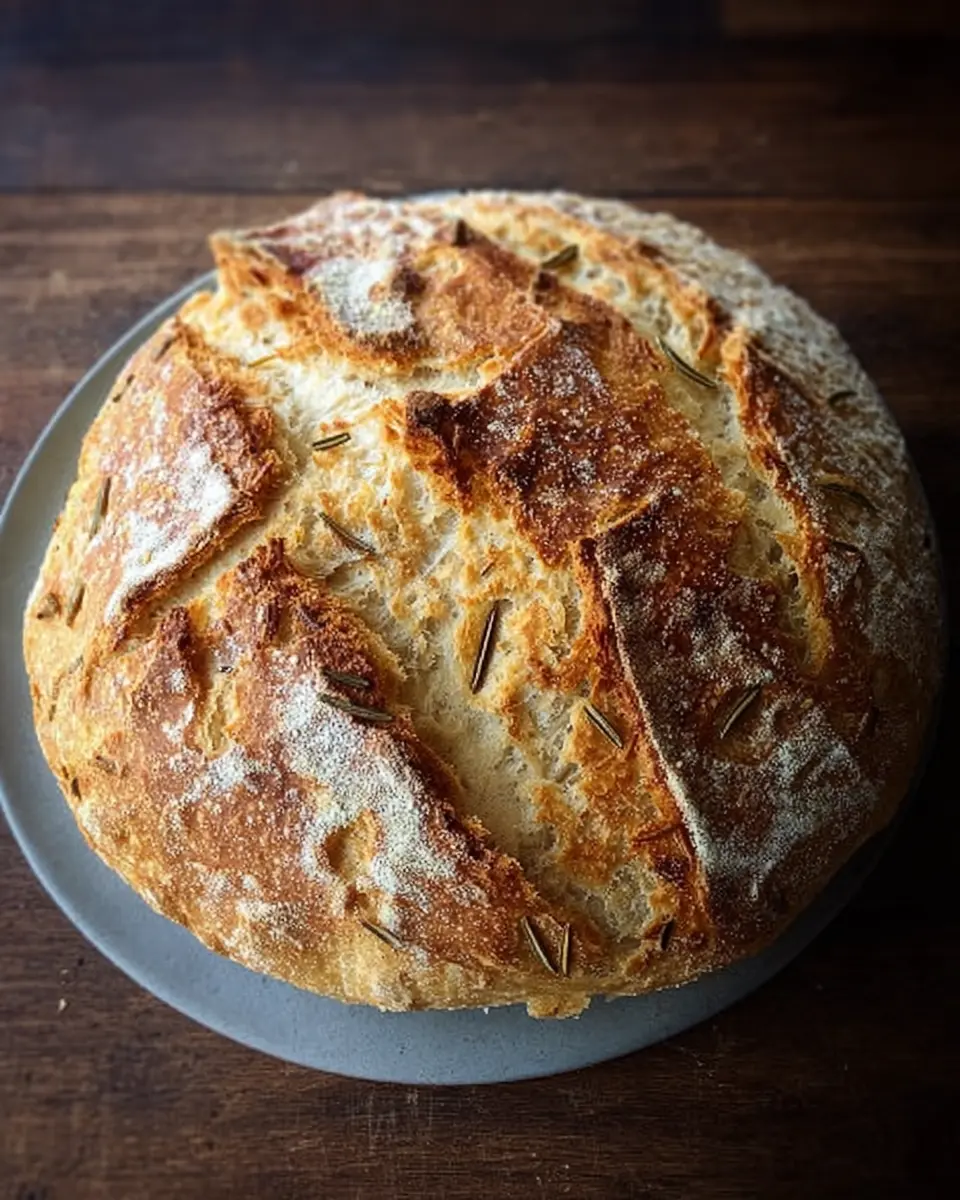
Serving Suggestions for Rosemary Sea Salt Bread
Pairing with Homemade Soups
There’s something magical about enjoying rosemary sea salt bread alongside a warm bowl of homemade soup. Whether it’s a hearty lentil soup or a creamy tomato bisque, this bread makes the perfect pairing. Use it to soak up every drop, savoring the contrast of garlicky broth and herbaceous flavors. This is how you elevate that cozy night in!
Great for Sandwiches and Bruschetta
Feeling a bit creative? Slice your rosemary sea salt bread and layer it with fillings like turkey bacon, chicken ham, or fresh mozzarella. For a quick appetizer, top it with diced tomatoes, basil, and a drizzle of balsamic vinegar for a delightful bruschetta. These combos are not only delicious but easy to prepare for that impromptu gathering! For more inspiring ideas, check out this article on sandwich-making.
Time Breakdown for Rosemary Sea Salt Bread
When you're ready to create your delicious rosemary sea salt bread, it's essential to know how to plan your time effectively. Here’s how the breakdown looks:
Preparation Time
10 minutes – Just enough time to gather your ingredients, mix, and form your dough into a ball.
Rising Time
4-12 hours – This crucial step allows your dough to develop flavor and texture. The longer you wait, the fluffier and more delightful your bread will be!
Baking Time
40-45 minutes – Your bread will bake to perfection, with an eye on that golden crust.
Total Time
Approximately 4 hours and 55 minutes to 12 hours and 55 minutes – Most of this is hands-off time, so you can tackle other tasks while your bread rises and bakes.
By managing your time well, you'll be enjoying freshly baked rosemary sea salt bread with minimal fuss! If you're looking for tips on ingredient sourcing or bread-baking tools, check out King Arthur Baking for fantastic resources.
Nutritional Facts for Rosemary Sea Salt Bread
Calories per serving
One slice of rosemary sea salt bread contains approximately 150 calories, making it a delightful yet manageable addition to your meals.
Fiber content
This lovely bread offers about 2 grams of fiber per slice, contributing to your daily intake and promoting better digestion.
Nutritional benefits of rosemary
Rosemary isn’t just a flavor booster; it’s packed with antioxidants and has anti-inflammatory properties. Plus, it may enhance memory and concentration. Including rosemary in your bread not only elevates the taste but also supports your health. For more on rosemary's benefits, check out Healthline's article on herbs.
FAQs about Rosemary Sea Salt Bread
Why is my bread dense?
If your rosemary sea salt bread turns out dense, it might be due to under-kneading or not allowing enough rise time. Be sure to knead the dough enough to develop gluten, and let it rise in a warm place for the recommended hours. If you find your bread isn’t rising well, double-check your yeast to ensure it's fresh and active.
How do I store homemade bread?
To keep your freshly baked bread at its best, store it in a paper bag at room temperature for up to 2-3 days. For longer storage, avoid plastic bags as they can make the crust soggy; instead, wrap it in foil or place it in an airtight container.
Can I freeze rosemary sea salt bread?
Absolutely! This bread freezes well. Cool it completely, then wrap it tightly in plastic wrap and foil. It can last in the freezer for about 3 months. Simply thaw at room temperature or warm it in the oven when you crave that fresh-baked taste.
What can I use instead of fresh rosemary?
If you don’t have fresh rosemary on hand, dried rosemary will work in a pinch! Use about 1 tablespoon of dried rosemary for this recipe, as dried herbs are more concentrated in flavor. Alternatively, feel free to experiment with other herbs like thyme or oregano for a different twist on this delightful bread.
Conclusion on Rosemary Sea Salt Bread
In a world of hectic schedules, homemade bread doesn't have to feel out of reach. This rosemary sea salt bread makes a delightful addition to any meal while effortlessly fitting into your busy lifestyle. Its simplicity and rustic charm will impress your family, quickly becoming a favorite in your kitchen.
Simplifying Homemade Bread for Your Busy Lifestyle
Feeling swamped? Don't worry! Making this rosemary sea salt bread is a stress-free process that only demands a bit of patience. While it requires a modest rise time of 4-12 hours, most of that is hands-off. Use this time to tackle your other tasks, and soon you'll have a warm, inviting loaf ready to enjoy.
Additionally, this bread pairs well with a variety of dishes, whether you're hosting a dinner or just looking for a cozy snack. Just think how lovely it would be alongside a savory dish like ratatouille or a fresh garden salad.
For more bread-making tips, check out resources like King Arthur Baking or The Bread Lab, where you can dive deeper into enriching your baking journey.
With its rich flavor and easy method, this rosemary sea salt bread will soon become a staple in your home. Happy baking!

ROSEMARY SEA SALT BREAD
Equipment
- large mixing bowl
- Cast-iron dutch oven
- Wooden Spoon
- Proofing bowl
Ingredients
Dry Ingredients
- 3 cups all purpose flour
- 2 teaspoons salt
- 0.5 teaspoon active dry yeast
- 2-3 tablespoons fresh, chopped rosemary
Wet Ingredients
- 1.5 cups warm water
- Sea salt for topping
Instructions
Preparation
- Roll up your sleeves and grab an apron.
- In a large mixing bowl, whisk together the flour, salt, yeast, and chopped rosemary until fully combined.
- Add warm water and mix using a wooden spoon until the water is incorporated, then form into a ball using your hands.
- Place the dough into the proofing bowl covered with a damp linen and let rise for 4-6 hours.
- Preheat the oven to 450 degrees.
- Flour a clean surface, remove the dough from the bowl, and knead briefly while forming into a ball.
- Let the dough rest for about 30 minutes, then score the top with a big X.
- Place the dough into the dutch oven, cover with the lid, and bake for about 30 minutes.
- Remove the lid and bake for an additional 10-15 minutes until golden brown.
- Once done, take the loaf out of the pot and sprinkle sea salt on top. Cool, then slice and enjoy!




Leave a Reply