
Introduction to Victoria Sponge Cake
If you’ve ever wandered into a charming café or leafed through a baking book, chances are you've encountered the delightful Victoria Sponge Cake. Named after Queen Victoria, this cake has become a classic favorite for its simplicity and elegance. But why does this airy sponge evoke such nostalgia and joy?
Why is Victoria Sponge Cake a classic favorite?
First and foremost, it's all about the balance of flavors and textures. A typical Victoria Sponge is light and fluffy, made with equal parts butter, sugar, and flour, and often filled with jam and cream. It's a cake that delights both the eyes and the palate. According to the National Trust, this cake represents a slice of British culinary heritage, often seen at afternoon teas and celebratory occasions.
The versatility of the Victoria Sponge Cake continues to charm bakers as well. You can customize the fillings—be it traditional raspberry jam, zesty lemon curd, or indulgent chocolate spread. Whichever route you choose, the ease of preparation makes this cake perfect for novice bakers and seasoned pros alike. Want to learn more about the history and lore of this cake? Check out The British Library for a deep dive into its background.
So, if you're ready to embark on your own baking adventure, dive right into the ingredients and start creating your very own Victoria Sponge Cake!
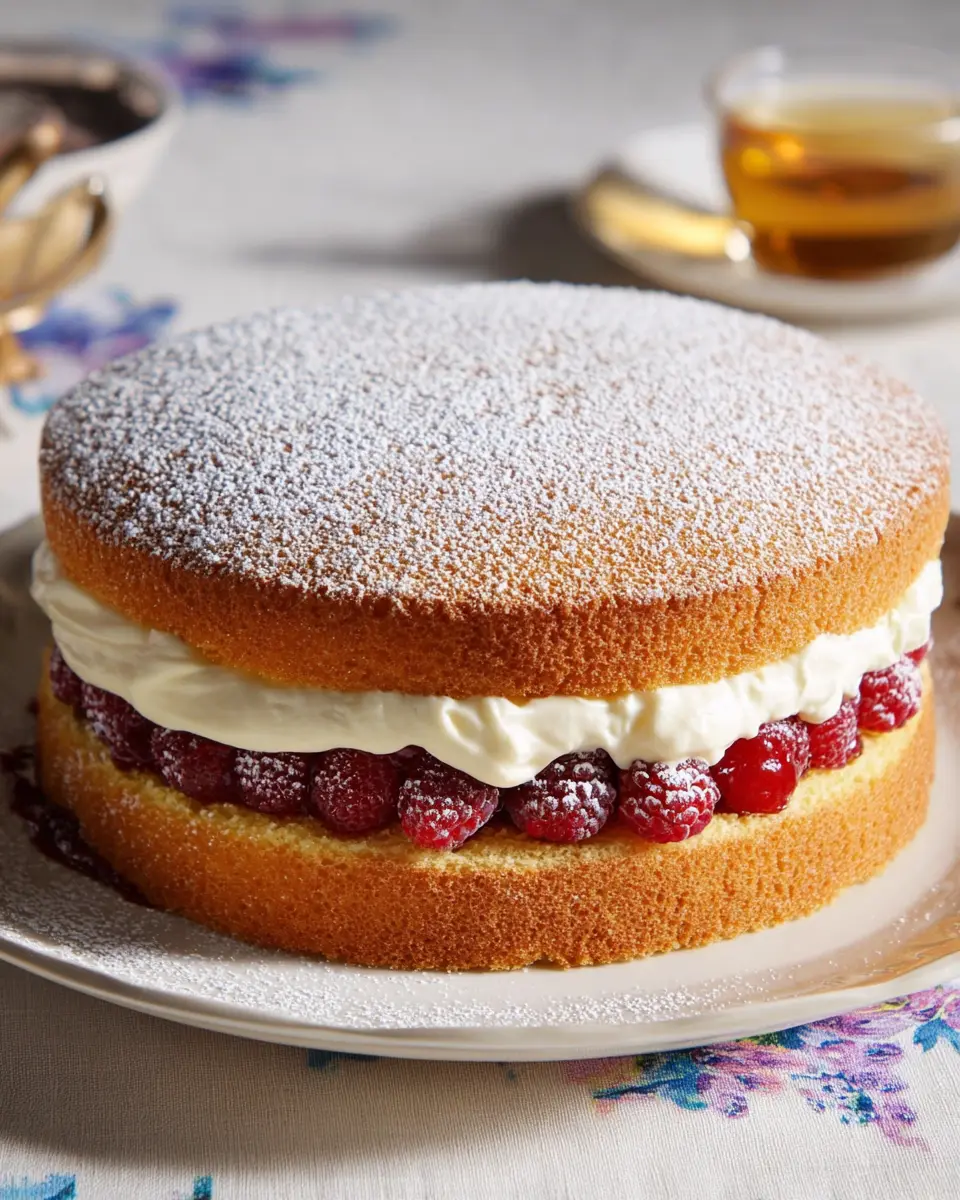
Ingredients for Victoria Sponge Cake
Essential Ingredients for a Classic Cake
To create a delectable Victoria Sponge Cake, you’ll need a handful of key ingredients that work in harmony. Here’s what you’ll need:
- 1 ¾ cup self-rising flour
- 1 teaspoon baking powder
- 14 tablespoons unsalted butter, softened
- 1 cup granulated sugar
- 4 large eggs, at room temperature
- 1 tablespoon vanilla extract, divided
- 1 cup heavy cream, cold
- 1 tablespoon confectioners’ sugar, plus more for dusting
- ⅔ cup raspberry jam
These straightforward ingredients combine to create that famously soft and airy texture everyone loves.
Optional Ingredients for Delicious Variations
Feel like mixing things up? Try adding these optional ingredients to personalize your Victoria Sponge Cake:
- Fruit: Use strawberries or blueberries instead of raspberries for a delightful twist.
- Nuts: Fold in finely chopped almonds or hazelnuts for added crunch.
- Flavored extracts: Experiment with almond or lemon extracts for a unique flavor profile.
With these simple additions, you can create a beloved classic that feels entirely new. Happy baking! For more tips on baking, check out the King Arthur Baking website.
Step-by-step preparation of Victoria Sponge Cake
Baking a Victoria Sponge Cake might seem daunting, but with some guidance, it can turn into a delightful experience. Let's break it down step-by-step so you can impress your friends and family with this classic British treat!
Gather and prepare your ingredients
The first thing you need to do is gather all your ingredients. Here’s what you'll need:
- 1 ¾ cup (198 grams) self-rising flour
- 1 teaspoon (4 grams) baking powder
- 14 tablespoon (197 grams) unsalted butter, softened
- 1 cup (198 grams) granulated sugar
- 4 large eggs, at room temperature
- 1 tablespoon (14 grams) vanilla, divided
- 1 cup (227 grams) heavy cream, cold
- 1 tablespoon confectioners’ sugar, plus more for dusting
- ⅔ cup (225 grams) raspberry jam
Preheat your oven to 350°F (180°C) and grease two 8-inch round cake pans. This sets the stage for a perfect Victoria Sponge Cake!
Cream the butter and sugar
In a large mixing bowl, combine the softened butter and granulated sugar. Using an electric mixer, cream them together until the mixture is light and fluffy—about 5 minutes. This step is crucial, as it incorporates air into the batter, giving your cake that lovely, light texture. If you’re unsure how the mixture should look, think of the fluffy cloud-like texture when you’re done!
Incorporate the eggs one by one
Next, add the eggs to your butter-sugar mixture, one at a time. It’s essential to mix well after each addition until they are fully incorporated, as this helps the eggs blend seamlessly into the batter. Don’t forget to add half of the vanilla during this step for an extra layer of flavor.
Mix in the dry ingredients
Now, sift together the self-rising flour and baking powder. Gradually add this to the mixture on a low speed to prevent it from flying everywhere! Mix just until combined; overmixing can toughen your cake. Your batter should be smooth and silky at this point.
Divide and bake the batter
Evenly distribute the batter between your prepared cake pans. The key here is to get them as equal as possible, which ensures they bake evenly. Bake in the preheated oven for about 20-25 minutes or until golden brown and a skewer comes out clean from the center.
Cool and prepare the filling
Once baked, turn your cakes onto a wire rack and allow them to cool completely. While they're cooling, whip your cold heavy cream until it forms soft peaks, then gently fold in the confectioners’ sugar and the remaining vanilla—this will be the creamy filling for your Victoria Sponge Cake.
Assemble the cake
Once the cakes are completely cool, it’s time to assemble! Spread a generous layer of raspberry jam on top of one cake layer, followed by a thick layer of whipped cream. Place the second cake layer on top, and for the finishing touch, dust the top with extra confectioners’ sugar.
And there you have it! Your Victoria Sponge Cake is not only a pleasure to behold but also a joy to taste. Perfect for afternoon tea or as a sweet treat any time of the day. Enjoy every bite! If you're looking for more baking tips, check out our Baking Basics Guide.
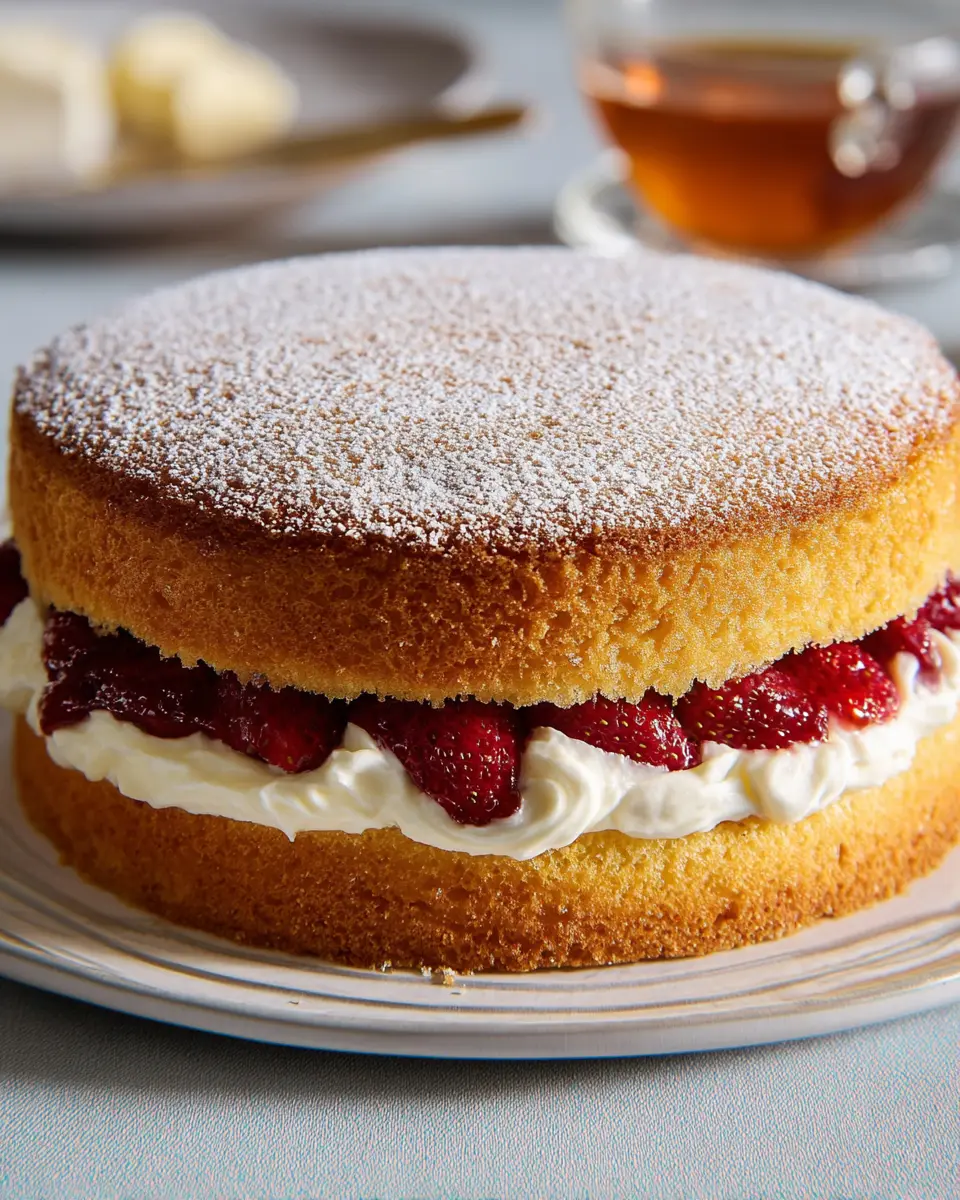
Variations on Victoria Sponge Cake
Fruit Variations
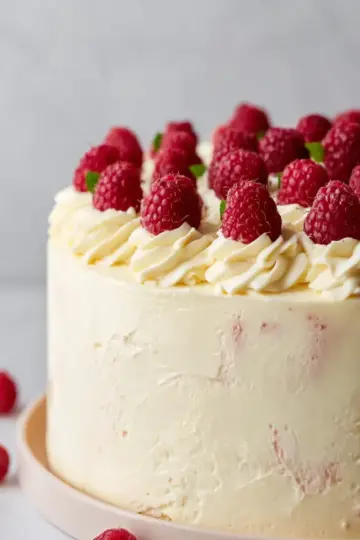
To elevate your Victoria Sponge Cake, try adding different fruits to the mix. Fresh strawberries, blueberries, or even sliced peaches can replace traditional raspberry jam. If you're feeling adventurous, consider a tangy lemon curd layer with fresh raspberries on top. These fruit variations not only add flavor but also create a beautiful visual presentation. Each slice becomes a delight for the eyes as well as the taste buds!
Flavor Twists
Looking to switch things up? Infuse your Victoria Sponge Cake with unique flavors. Consider using almond extract instead of vanilla or incorporating a hint of matcha for a vibrant twist. For chocolate lovers, fold in cocoa powder or add a layer of chocolate ganache. Each of these flavor twists can turn a classic recipe into a new favorite, making your cake stand out at any gathering.
If you're curious to learn more about flavor combinations, sites like BBC Good Food provide extensive ideas for enhancing your baking!
Cooking tips and notes for Victoria Sponge Cake
Ensuring the right texture
To achieve that fluffy and light texture that makes Victoria Sponge Cake so delightful, be sure to cream your butter and sugar thoroughly until it’s pale and fluffy. This process introduces air, which is essential for a tender cake. Additionally, weigh your ingredients for accuracy, as too much flour can lead to denser results. A simple kitchen scale can make all the difference.
Common mistakes to avoid
Many bakers struggle with the eggs. Using cold eggs can shock your mixture, leading to a less pleasant outcome. Always opt for large eggs at room temperature. Also, don’t overmix once you add the flour; gentle folding is key to maintaining that airy quality. Lastly, a poorly calibrated oven can be a game-changer—consider using an oven thermometer to ensure accurate temperatures. For more tips, check out BBC Good Food for expert advice!
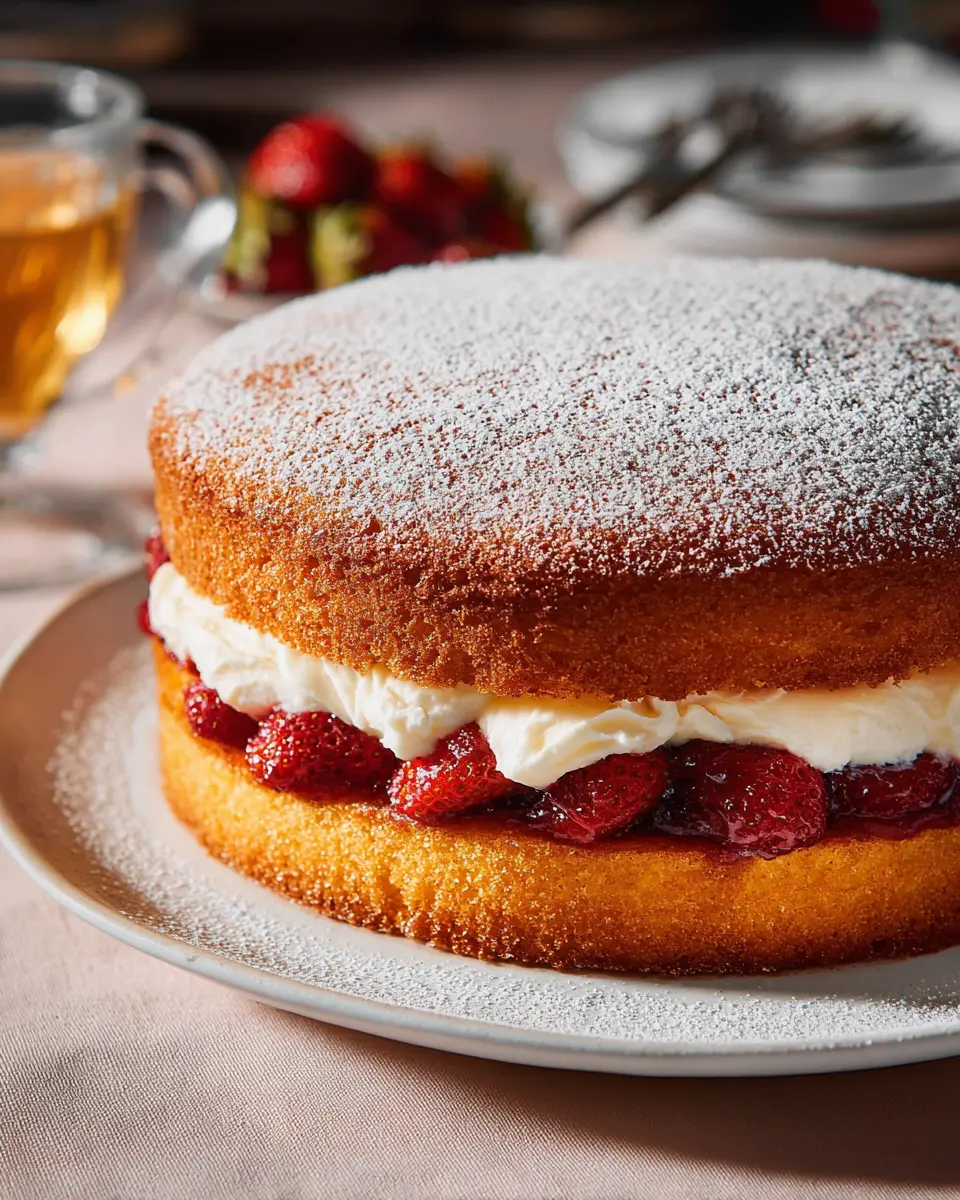
Serving suggestions for Victoria Sponge Cake
Perfect pairings with beverages
For an enchanting afternoon tea experience, pair your Victoria Sponge Cake with a classic English breakfast tea or a refreshing herbal blend, like chamomile. The lightness of the cake beautifully complements the robust flavors of the tea. If you're feeling adventurous, why not try it alongside a fruity iced tea? The sweetness and tartness of the tea can balance the rich fillings perfectly. For a child-friendly option, a glass of lemonade or sparkling water with a slice of lemon adds a zesty kick.
Creative serving ideas
Elevate your Victoria Sponge Cake by presenting it with a generous dollop of freshly whipped cream and seasonal berries on top. Consider serving individual slices adorned with a dusting of confectioners' sugar for a touch of elegance. You can even portion them into mini cakes for a delightful twist! And if you're hosting, why not create a cake platter with assorted flavors? Pair your classic sponge with other treats like mini cupcakes or shortbread cookies for a visually stunning dessert table.
For more inspiration on decorating cakes, check out The Kitchn's guide on cake decorating. Whether you're enjoying it solo or with friends, the Victoria Sponge Cake is sure to brighten any occasion!
Time breakdown for Victoria Sponge Cake
Preparation time
To kick off your baking adventure, set aside about 20 minutes to gather your ingredients and mix everything together. It’s a great way to clear your head and focus on the sweet task ahead.
Baking time
Once you've prepped your batter, pop it into the oven for approximately 25 minutes. This is where the magic happens — watch your Victoria Sponge rise and turn golden brown!
Cooling and assembly time
After baking, patience is key. Allow the cake to cool for about 30 minutes before you dive into the delicious assembly. Dust it with confectioners' sugar, spread some raspberry jam, and whip up that heavy cream for a delightful finish.
For a more detailed understanding of the Victoria Sponge Cake, check out this resource on baking times to master your timing! If you're curious about variations, the classic Victoria Sponge can easily be adapted with different jams or fillings. Embrace this sweet journey!
Nutritional Facts for Victoria Sponge Cake
When indulging in a slice of Victoria Sponge Cake, it's nice to know what you're treating yourself to. Here’s a quick breakdown of the nutritional facts:
Calories
A typical slice of Victoria Sponge Cake delivers around 250 calories, making it a delightful treat that can fit into various dietary plans.
Sugar Content
You'll find approximately 20-25 grams of sugar per serving. While this adds to the cake's dreamy sweetness, it's a good idea to enjoy it in moderation.
Dietary Information
For those with dietary considerations, this Victoria Sponge Cake is not suitable for vegans or those with gluten sensitivities due to its use of eggs and self-rising flour. However, you can look at alternatives curating your version, making it more inclusive for everyone at the table!
If you're curious about gluten-free versions, check out this gluten-free baking guide for some inspiration! Want to learn more about sugar content in sweets? The USDA FoodData Central has some fantastic resources for understanding nutritional values better.
Making informed choices about what we eat doesn’t mean sacrificing flavor. Enjoy your baking and savor every bite!
FAQs about Victoria Sponge Cake
Can I make this cake gluten-free?
Absolutely! You can easily make a gluten-free Victoria Sponge Cake by substituting the self-rising flour with a gluten-free blend. Look for blends that already contain a leavening agent for the best results. Many bakers have had success using almond flour or a coconut flour mix, but it might alter the texture slightly, giving it a delicious twist.
How should I store leftover cake?
To keep your Victoria Sponge Cake fresh, store it in an airtight container at room temperature for up to 3 days. If your kitchen is really warm, consider refrigerating it to extend its freshness. Just be aware that refrigeration can alter the cake’s texture, making it a bit firmer.
Can I freeze Victoria Sponge Cake?
Yes! Freezing your Victoria Sponge Cake is a fantastic way to prolong its life. Wrap individual slices or the whole cake tightly in plastic wrap, and then place it in a freezer-safe bag. It can stay in the freezer for up to 3 months. When you’re ready to indulge, simply thaw it in the fridge overnight for the best taste and texture.
For more tips on cake storage, check out reputable baking sites like BBC Good Food or King Arthur Baking.
Conclusion on Victoria Sponge Cake
Celebrating your homemade creation
The joy of crafting a Victoria Sponge Cake transcends mere baking. Whether it's for a special occasion or a delightful afternoon tea, your well-made cake deserves celebration. Relish each slice, share it with loved ones, and bask in compliments! Embrace the thriving home-baking culture; your skills are evolving.
For more inspiration, check out BBC Good Food or delve into British baking history at The Great British Bake Off.
Victoria Sponge Cake
Equipment
- Mixing bowl
- Electric mixer
- spatula
- baking pans
Ingredients
Dry Ingredients
- 1 ¾ cup self-rising flour
- 1 teaspoon baking powder
Wet Ingredients
- 14 tablespoon unsalted butter, softened
- 1 cup granulated sugar
- 4 large eggs, at room temperature
- 1 tablespoon vanilla divided
- 1 cup heavy cream, cold
- 1 tablespoon confectioners’ sugar plus more for dusting
- ⅔ cup raspberry jam
Instructions
Baking Instructions
- Preheat the oven to 350°F (175°C). Grease and flour two 8-inch round baking pans.
- In a mixing bowl, cream together the butter and sugar until light and fluffy.
- Add in the eggs one at a time, mixing well after each addition. Stir in the vanilla.
- Sift together the flour and baking powder. Gradually add to the creamed mixture, mixing until just combined.
- Divide the batter evenly between the prepared pans and smooth the tops.
- Bake for 25-30 minutes or until a toothpick inserted in the center comes out clean.
- Let the cakes cool in the pans for 10 minutes before transferring to wire racks.
- Once cooled, spread raspberry jam on one layer and top with the second layer.
- Whip the heavy cream and spread it over the top layer. Dust with powdered sugar before serving.
Leave a Reply