
Introduction to Nigerian Peanut Stew
What is Nigerian Peanut Stew?
Nigerian Peanut Stew, also known as groundnut stew, is a rich and flavorful dish that combines tender meat, vibrant vegetables, and, of course, the star of the show: ground peanuts. This hearty stew is often served over rice, adding a delightful creaminess and nutty richness that’s incredibly comforting, making it a beloved staple in many Nigerian households.
A Brief History of the Dish
Peanut stews have origins across West Africa, with variations enjoyed in countries like Ghana and Senegal. In Nigeria, it reflects the diverse culinary traditions influenced by regional ingredients and local flavors. The use of peanuts, introduced to the region through trade and migration, quickly became integral in many dishes, symbolizing both sustenance and community.
Why is it Perfect for Homemade Meals?
Nigerian Peanut Stew is perfect for homemade meals because it's not only delicious, but also incredibly nourishing. Packed with protein and wholesome ingredients, it's a warming dish that feels like a big hug on a cold day. Plus, it’s versatile—adaptable for any dietary preferences, whether you’re a meat lover or a plant-based eater. You can experiment with different proteins and veggies, allowing you to personalize it according to your cravings and what’s in your pantry. Why not gather around the table to enjoy this comforting stew with friends and family? It’s a meal that nourishes not just the body, but also the soul.
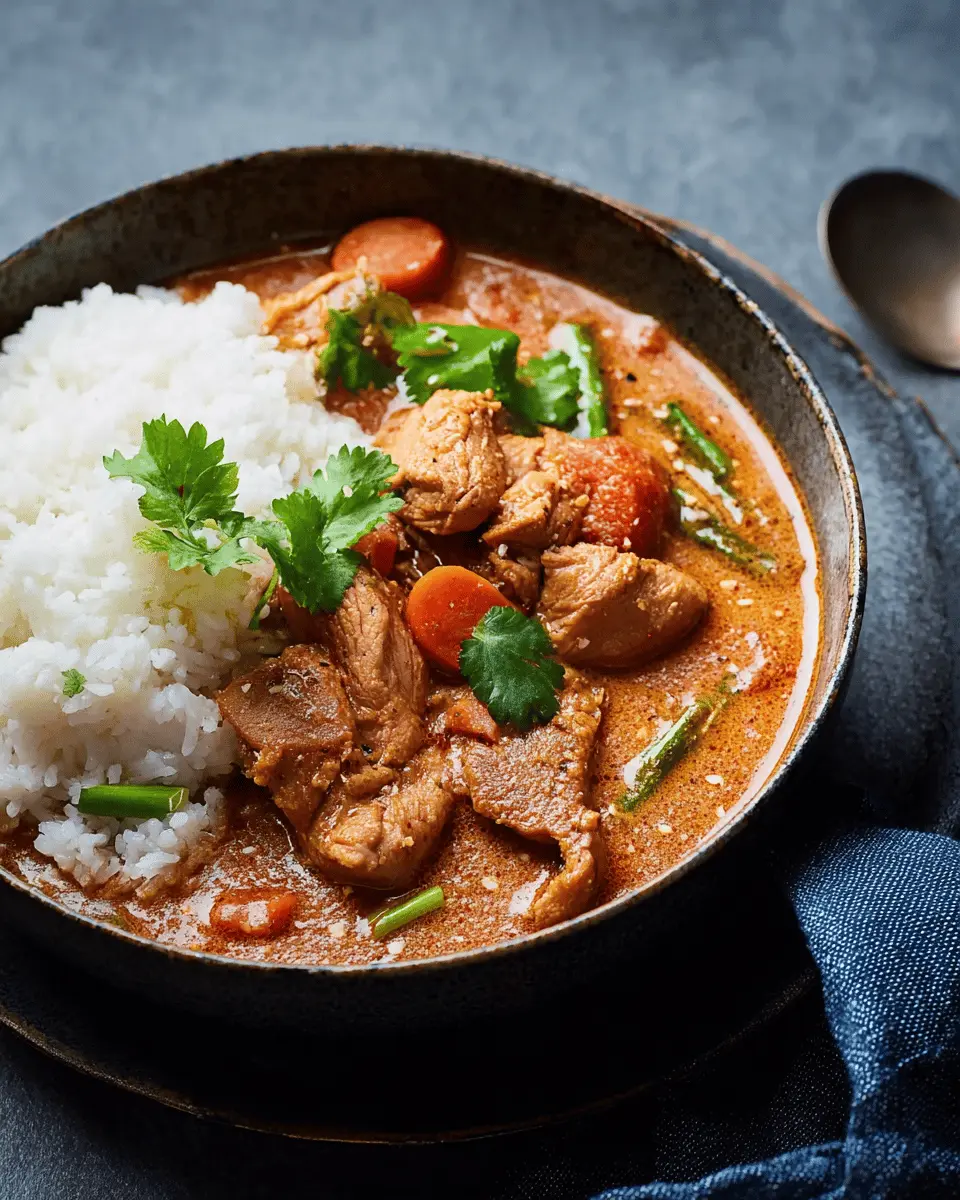
Ingredients for Nigerian Peanut Stew
Essential ingredients for a rich flavor
To create a deliciously authentic Nigerian Peanut Stew, you'll need a mix of robust and aromatic ingredients. Key components include:
- Peanuts: Start with raw, shelled red-skin peanuts for a creamy texture.
- Onions: A combination of red onions adds depth.
- Tomatoes and bell pepper: These lend sweetness and acidity.
- Ginger and garlic: Essential for that aromatic base.
- Protein: Boneless chicken thighs and beef chuck contribute heartiness.
- Peanut oil: This will enrich the stew's flavor.
Notes on ingredient substitutions
If you can’t find certain items, don't fret! You can swap raw peanuts with roasted ones or even unsweetened peanut butter. For proteins, feel free to use tofu or other meats according to your taste. Need more heat? Adjust the amount of Nigerian dry red pepper or use cayenne as an alternative.
Tips for sourcing authentic Nigerian ingredients
For an authentic touch, look for specific ingredients at local West African markets or online specialty stores. Check brands like Mama's or Boli for dried peppers and spices. Your local international grocery may also stock peanut oil or red-skinned peanuts. Embrace the culinary adventure; it will be worth it!
Preparing Nigerian Peanut Stew
Getting ready to make Nigerian Peanut Stew is not just about cooking; it’s about embracing a culinary adventure! This rich, nutty dish is a staple in many Nigerian households, and preparing it can be a rewarding experience. Let’s break down the steps to make sure you’re ready to impress family and friends!
Soak and Roast the Peanuts
First off, starting with fresh raw peanuts is essential for that lovely, rich flavor. Rinse a cup of shelled peanuts under cool water to get rid of any dirt. Soak them in boiling water with just a teaspoon of kosher salt for about an hour (1 hour is fine, but you can let them soak longer for better flavor). Once they’re fully submerged, drain and pat them dry, then spread them on a baking sheet and roast at 350°F (175°C) for about 25 minutes until they’re golden brown and fragrant. The sizzling sound is a good sign! Once cooled, rub them in a kitchen towel to remove the skins.
Prepare the Stew Base with Fresh Vegetables
While your peanuts are cooling, why not get started on the stew base? Blending fresh vegetables like red onions, bell peppers, and tomatoes is the key to a flavorful foundation. Use a blender to puree these veggies into a smooth mix, which will provide flavor and body to your stew.
Season and Brown the Meats
Next up, it’s time to focus on the protein! In a bowl, combine pieces of boneless chicken thighs and beef chuck with seasonings like ginger, garlic, thyme, and pepper. Let it marinate for a few minutes—this allows the flavors to penetrate the meat. In a heavy pot or Dutch oven, heat some peanut oil and brown the marinated meat until it’s beautifully caramelized on all sides. This step adds amazing depth to your Nigerian Peanut Stew.
Combine the Ingredients in a Pot
Now comes the fun part of combining everything! Deglaze your pot with some chicken broth and add your vegetable puree. Bring this mixture to a boil and let it bubble away for a bit. Gradually incorporate the creamy peanut mixture you prepared earlier. This is what will give your stew its signature richness and creaminess!
Let It Simmer to Perfection
Finally, let everything simmer low and slow! Cook the stew for about 60 to 90 minutes, stirring occasionally to prevent sticking and ensure even cooking. As the aromas fill your kitchen, get ready for an irresistible dish. You can add vegetables like carrots and bok choy toward the end to add color and nutrition.
Once everything is cooked to perfection, serve your Nigerian Peanut Stew with plain rice or fried plantains for a delightful meal. Enjoy the process—it’s more than just a dish; it’s a celebration of flavors!
For an even more authentic experience, check out this incredible guide on how to stock a Nigerian pantry.
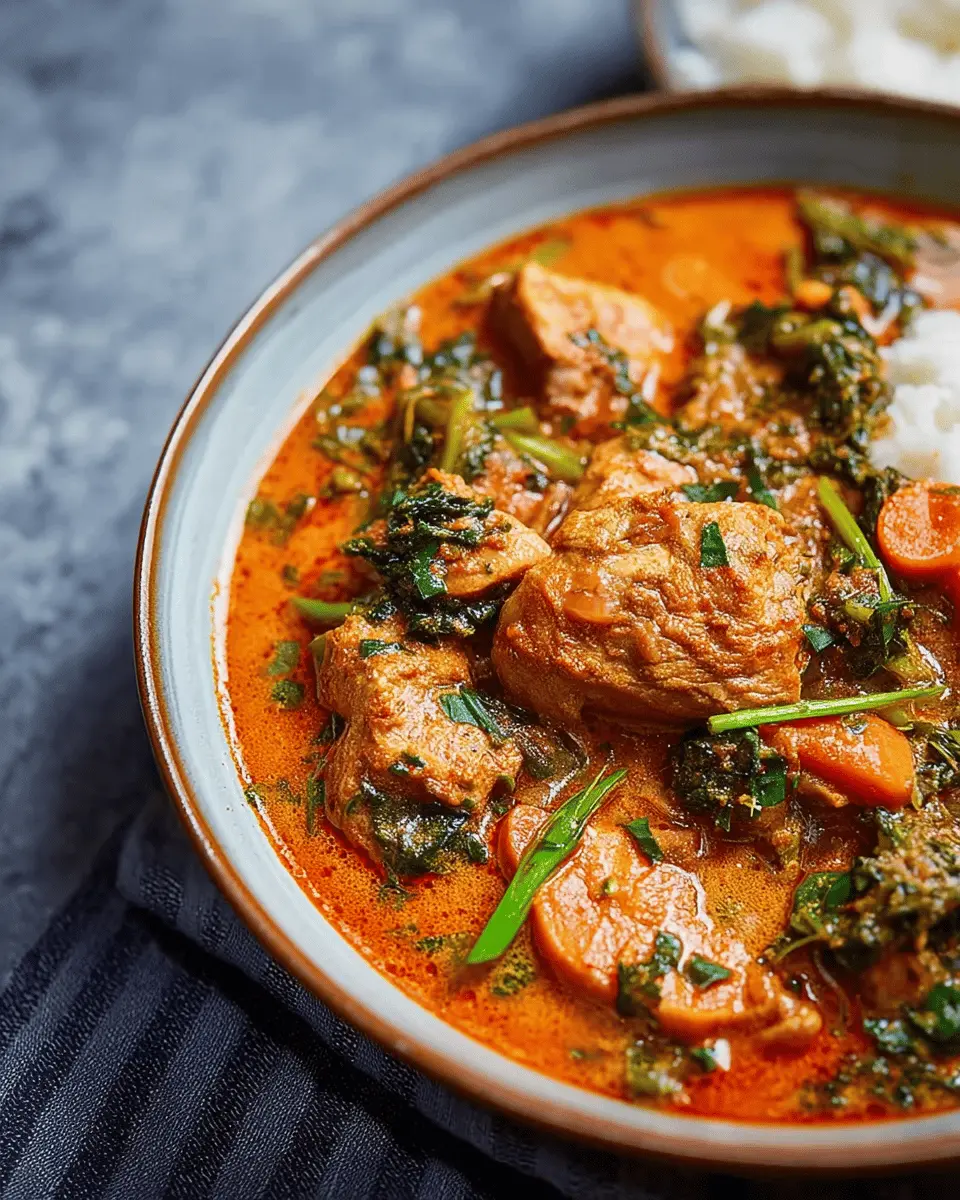
Variations of Nigerian Peanut Stew
Vegetarian Options for Nigerian Peanut Stew
If you’re looking to enjoy a plant-based take on Nigerian Peanut Stew, consider swapping out meats for hearty alternatives like fried tofu or chickpeas. You can also add more vibrant veggies, such as zucchini, spinach, or sweet potatoes, delivering delightful texture and a nutritional boost.
Regional Variations of the Stew
Nigerian Peanut Stew is not monolithic; various regions have their own takes. In the North, you might find a spicier version with added Nigerian dried red pepper flakes, while the South tends to favor a creamier base. Exploring these differences can be a fun culinary adventure!
Creative Twists You Can Try at Home
Want to make your stew unique? Consider adding coconut milk for a creamy twist, or experiment with different nuts like cashews or almonds for distinct flavors. You can even turn it into a one-pot meal by incorporating quinoa or millet for a comforting, wholesome dish.
For more inspiring adaptations, check out these delicious recipes from Serious Eats or explore ways to create stunning plant-based stews featuring peanuts like Ghanaian Chicken and Peanut Stew for additional flair. Enjoy cooking!
Cooking notes for Nigerian Peanut Stew
Common pitfalls to avoid
When making your Nigerian Peanut Stew, one common issue is not properly roasting the peanuts. Under-roasted peanuts can lead to a bland flavor, so keep an eye on them and stir occasionally to achieve a rich, golden brown. Additionally, be mindful of the spice; adjust the Scotch bonnet pepper to suit your heat preference to avoid overwhelming the dish.
Importance of cooking time and temperature
Patience is key! The total cooking time for this stew is around 3 hours, including simmering until the meat is tender. Cooking on low heat helps flavors meld beautifully, making each bite a delightful experience. Always check for doneness to ensure your ingredients maintain their integrity.
Suggestions for make-ahead preparations
Consider preparing the peanut blend and stew base ahead of time. Store them in separate airtight containers for up to 5 days in the fridge. This will save you time and enhance the flavor as the ingredients marry together nicely. Just reheat gently before combining for a quick meal!
For more tips, you might enjoy Serious Eats for their in-depth cooking techniques!
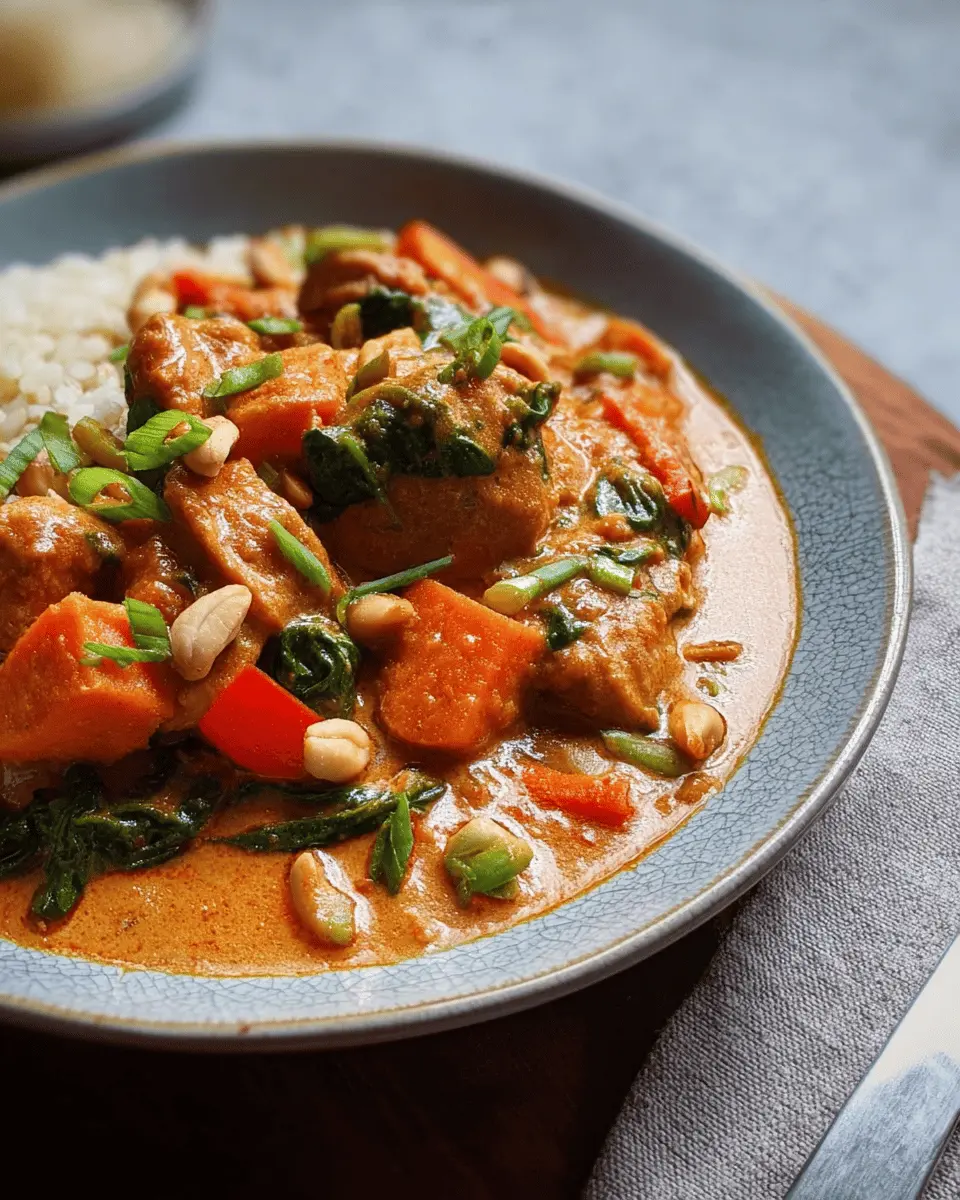
Serving suggestions for Nigerian Peanut Stew
Complementary sides to enhance your meal
To truly relish your Nigerian Peanut Stew, consider pairing it with a variety of side dishes:
- Plain rice: A classic, it soaks up the rich flavors beautifully.
- Dodo: These crispy fried plantains add a delightful sweetness and texture.
- Flatbreads: Naan or roti can be perfect for scooping up the stew.
Mix and match these sides to create a well-rounded meal that satisfies all taste preferences.
Creative plating ideas
For an elegant dinner, try arranging the Nigerian Peanut Stew in a deep bowl, topping it with a sprinkle of roasted peanuts and fresh herbs. Serve the sides in small, colorful dishes around the stew to create a vibrant plate. Don't forget to add a lemon wedge for a zesty touch!
Pairing suggestions for beverages
To complement the bold flavors of the stew, consider refreshing beverages like:
- Iced hibiscus tea: Its tartness is a delightful contrast.
- Fresh lime or lemon soda: The citrusy notes brighten the meal.
- Coconut water: A hydrating and slightly sweet option that pairs well with the stew's richness.
These beverages not only enhance your dining experience but also balance the depth of the flavors in your Nigerian Peanut Stew.
Time Breakdown for Nigerian Peanut Stew
Preparation Time
The preparation for Nigerian Peanut Stew takes about 15 minutes. This includes gathering ingredients and soaking the peanuts, which is essential for a deep flavor.
Cooking Time
Once your prep is done, the cooking time clocks in at approximately 3 hours and 10 minutes. This includes roasting and simmering the stew, allowing all those delicious flavors to blend beautifully.
Total Time
Overall, you're looking at a total of 4 hours and 45 minutes for this comforting dish. Don't let the time intimidate you! Much of it is hands-off cooking, allowing you to multitask or simply relax while it simmers away.
For a complete guide on making Nigerian Peanut Stew, check out the full recipe above!
Nutritional Facts for Nigerian Peanut Stew
Calories per serving
Each serving of Nigerian Peanut Stew approximately contains 400-500 calories. This hearty dish provides a satisfying and fulfilling meal, making it an excellent choice for dinner with family or friends.
Protein content
Packed with protein, this stew boasts about 30 grams per serving from the chicken, beef, and peanuts. Perfect for those looking to nourish their bodies with a wholesome, protein-rich meal.
Key vitamins and minerals
This stew is a treasure trove of essential nutrients, including:
- Vitamin A from carrots and bell peppers
- Iron and Zinc from meats
- Magnesium from peanuts
These vitamins and minerals support overall health and wellness. For a more in-depth look at nutrients in similar dishes, check out Healthline. Enjoy the richness of Nigerian Peanut Stew while getting a healthy dose of nutrients!
FAQs about Nigerian Peanut Stew
Can I make this stew in advance?
Absolutely! You can prepare the peanut blend and the base for the stew ahead of time. Simply store them in airtight containers in the fridge for up to 5 days. The finished Nigerian Peanut Stew can also be kept in the fridge for up to 4 days—perfect for meal prep or enjoying leftovers! When you’re ready to eat, just reheat gently on the stovetop or in the microwave.
What proteins can I substitute in the recipe?
If you're looking to switch things up, feel free to substitute the chicken and beef with other proteins. Fried tofu is a popular and tasty option! You can also experiment with additional vegetables such as sweet potatoes or plantains to enhance your Nigerian Peanut Stew even further.
How do I adjust the spice level?
Tweaking the spice level of your stew is simple. If you prefer it milder, reduce the amount of Scotch bonnet or habanero pepper—or omit it entirely. Alternatively, you can add more Nigerian dry red pepper flakes or cayenne to increase heat, adjusting to suit your taste buds. Enjoy the process of finding your perfect balance!
Conclusion on Nigerian Peanut Stew
Final thoughts on cooking Nigerian Peanut Stew
Nigerian Peanut Stew is a delightful and rich dish that showcases the simplicity of ingredients with incredible depth of flavor. With a bit of patience and love, you can create a meal that not only nourishes the body but warms the spirit.
Inviting readers to try the recipe
We encourage you to dive into this vibrant recipe and enjoy cooking Nigerian Peanut Stew. Whether for a cozy evening or a festive gathering, it's sure to impress and bring a taste of Nigeria to your table. Happy cooking!
Nigerian Peanut Stew
Equipment
- colander
- large pot or Dutch oven
- Blender
Ingredients
Peanuts
- 1 cup raw shelled red-skin peanuts
- 5 teaspoons kosher salt divided
Stock
- 7 cups homemade chicken stock or low-sodium chicken broth divided
Vegetables
- 2 medium red onions divided
- 1 medium red bell pepper chopped
- 2 medium plum tomatoes chopped
- 1 piece fresh ginger about 2 ounces; peeled and grated
- 4 cloves garlic minced
- 2 medium carrots peeled and cut into coins or chunks
- 1 pound baby bok choy leaves pulled apart and rinsed
Meats
- 1 pound boneless, skinless chicken thighs cut into 2-inch pieces
- 1 pound boneless beef chuck cut into 1 ½-inch pieces
Seasonings
- 1 tablespoon dried thyme
- ½ teaspoon freshly ground black pepper
- 2 leaf bay leaves
- ½ to 1 teaspoon Nigerian dry red pepper flakes optional
Oils
- 5 tablespoons peanut oil divided
For Serving
- Plain rice, Dodo (fried Nigerian plantains), or flatbreads optional
Instructions
Preparation
- In a colander, rinse peanuts well under running cold tap water. Drain and transfer to a large heat-proof bowl and add 1 teaspoon kosher salt, then cover with boiling water by about 2 inches. Cover loosely and let soak at room temperature until all the peanuts sink, have absorbed some water, and the liquid is cooler, at least 1 hour or up to 12 hours.
- Adjust the oven rack to middle position and heat the oven to 350°F (175℃). Lay a clean kitchen towel over a rimmed baking sheet. Drain peanuts under running water, rinse well and transfer the peanuts to the kitchen towel-lined baking sheet and pat to dry.
- Remove the towel and roast the peanuts on the rimmed baking sheet, stirring the peanuts 2 or 3 times during roasting, until lightly golden brown and fragrant, about 25 minutes. The nuts will have started to brown and you'll hear an occasional pop and crackle. Remove from oven and let cool slightly, about 10 minutes.
- Once cooled for 10 minutes, remove the peanut skins by using a clean kitchen towel to rub the peanuts vigorously until the skins come off in bits. Transfer to a colander set over a large bowl or tray and shake until most of the skins are removed.
- Discard the skins and transfer the peanuts to a blender jar and add 1 cup broth. Blend on high speed until creamy, about 1 minute (some grit may remain). You will have about 2 cups of the pureed peanuts; transfer to a large bowl and set aside. Wash the blender.
- In the now-clean blender, make the stew mix by blending the roughly chopped red onion, bell pepper; tomatoes, half of Scotch bonnet or habanero, if using, and 1 cup broth. Blend on high speed until finely puréed, about 30 seconds; set aside.
Cooking
- In a large bowl, combine 1 tablespoon salt, ginger, garlic, thyme, pepper, and 1 tablespoon oil. Add the chicken and beef and rub well to season the meat; set aside.
- In a large, heavy-bottomed pot or Dutch oven, heat 2 tablespoons (30ml) oil over medium-high heat until shimmering. Add the sauced meat, and cook, turning occasionally, until browned all over, 10 to 15 minutes. Use a slotted spoon to transfer meat and any bits of ginger and garlic to a bowl.
- Add the remaining 2 tablespoons (30ml) oil to the pot and heat over medium-high heat until shimmering. Add the onion cut into ½ inch pieces, bay leaves, and 1 teaspoon salt and cook, stirring until onion softens, 3 to 4 minutes. Add 2 cups broth, stirring with a wooden spoon to remove any bits from the bottom of the pot. Add the remaining Scotch bonnet or habanero half, if using, and bring to a boil, uncovered.
- Stir in the puréed stew mix, and bring to a boil before reducing heat as needed to maintain a simmer and cook, partly covered, for 30 minutes.
- Carefully remove 1 cup of the stew broth and whisk into the reserved peanut paste until well combined. Return the mixture to the pot, stir well, and bring to a boil before returning the meat to the pot, add 3 cups of broth, and season with the remaining 1 teaspoon salt.
- Stir well, and return to a boil before reducing heat to low and simmer, partially covered, adjusting heat as needed to maintain simmer and stirring often, until meat is tender, 60 to 90 minutes. Taste and add dried pepper to taste, if desired.
- Add carrots, stir, and continue to cook until the carrots are just softened, about 8 minutes. Add bok choy and the sliced onion. Cover and cook until the bok choy leaves soften and begin to wilt, 2 to 3 minutes.
- Remove the lid, stir and cook until the stew is thick and creamy and onion is just softened, about 5 minutes. Let sit off heat to cool and thicken slightly, about 10 minutes. Adjust the stew’s consistency with additional broth to desired texture, if needed, and season with salt and pepper to taste. Remove the pepper half and serve soup with plain rice, Nigerian plantains, or your preferred flatbread.


Leave a Reply